The Unbreakable Link: How Oil and Gas Prices Fuel or Falter Energy Sector Stocks
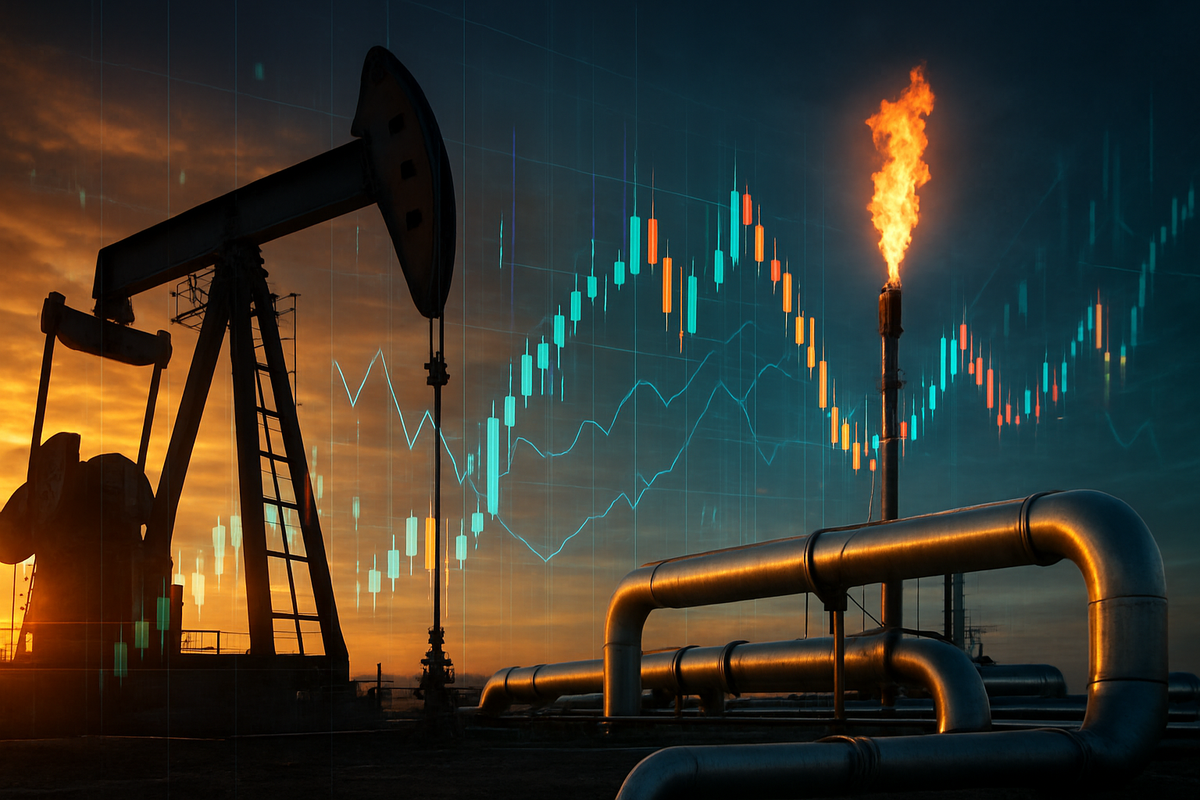
The financial markets are often a complex web of correlations, but few are as direct and impactful as the relationship between crude oil and natural gas prices and the performance of public companies within the energy sector. As of December 17, 2025, this fundamental economic dynamic continues to dictate the fortunes of exploration and production giants, midstream operators, and refining powerhouses alike. Fluctuations in these vital commodity prices serve as an immediate barometer for investor sentiment and directly influence the revenue streams, profitability, and future strategic decisions of energy firms, creating a volatile yet predictable dance between global supply and demand and shareholder value.
This intricate connection means that every upward tick or downward slide in the cost of a barrel of oil or a cubic foot of natural gas sends ripples through the stock market, prompting rapid re-evaluations of company valuations and earnings forecasts. For investors, understanding this correlation is paramount, as it underpins the very investment thesis for much of the energy industry, making it a critical factor in portfolio construction and risk management in an ever-evolving global economy.
Price Swings and Sector Fortunes: A Deep Dive into Market Reactions
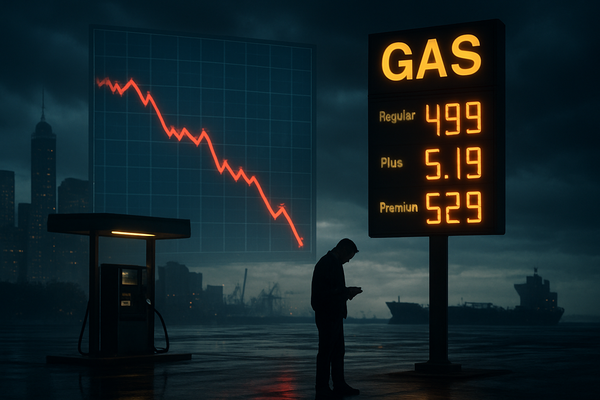
The energy sector, a cornerstone of the global economy, is inherently tied to the ebb and flow of commodity markets. When crude oil and natural gas prices ascend, companies involved in exploration and production (E&P) experience a direct boost to their top lines. With largely fixed operational costs in the short term, higher per-unit revenues translate almost immediately into expanded profit margins and robust cash flows. This positive feedback loop often spurs increased capital expenditure in new projects, driving demand for oilfield services and equipment, and ultimately bolstering investor confidence across the sector. Conversely, a sustained downturn in prices can swiftly erode profitability, leading to project deferrals, budget cuts, and a re-prioritization of balance sheet strength over growth.
The past year has offered several compelling examples of this dynamic. For instance, a significant geopolitical event in the Middle East in early 2025 led to a sharp, albeit temporary, spike in crude oil prices, pushing Brent crude above $90 a barrel. During this period, major E&P companies such as ExxonMobil (NYSE: XOM) and Chevron (NYSE: CVX) saw their stock prices rally, reflecting the market's expectation of increased earnings. Similarly, a colder-than-expected winter across North America in late 2024 and early 2025 drove up natural gas demand and prices, providing a significant uplift to natural gas-focused producers like EQT Corporation (NYSE: EQT). However, the subsequent resolution of geopolitical tensions and a return to more seasonal weather patterns saw prices normalize, leading to a corresponding cooling in these companies' stock performances. Midstream companies, such as Enterprise Products Partners (NYSE: EPD), with their fee-based revenue models, demonstrated greater resilience during these price swings, highlighting the diversified impacts across the energy value chain.
Winners and Losers: Corporate Performance in a Volatile Market
The direct correlation between energy commodity prices and stock performance creates a clear distinction between potential winners and losers within the sector. Companies heavily weighted towards upstream activities—exploration and production—are the most susceptible to these price fluctuations. When oil and gas prices are high, these companies, like Occidental Petroleum (NYSE: OXY) or Pioneer Natural Resources (NYSE: PXD), often see their revenues and profits soar, leading to increased shareholder returns through dividends and share buybacks. Their stock prices typically reflect this optimism, often outperforming broader market indices during bullish commodity cycles. These firms benefit directly from every dollar increase in the price of the commodities they extract from the ground.
Conversely, a sustained period of low oil and gas prices can significantly challenge these same companies. Reduced revenues can squeeze profit margins, forcing them to cut capital expenditures, defer drilling projects, and even engage in cost-cutting measures that can impact employment. This scenario often leads to a decline in their stock valuations as investors anticipate weaker future earnings. Oilfield services companies, such as Schlumberger (NYSE: SLB) and Halliburton (NYSE: HAL), which rely on the capital spending of E&P firms, also stand to lose when prices fall, as their service demand diminishes. On the other hand, downstream companies, primarily refiners like Valero Energy (NYSE: VLO) or Marathon Petroleum (NYSE: MPC), can sometimes benefit from lower crude oil input costs, provided that the demand for refined products remains robust and product prices do not fall commensurately. This can lead to improved refining margins, offering a partial hedge against upstream downturns for integrated oil majors that possess both upstream and downstream assets.
Broader Implications: Industry Trends and Regulatory Tides
The intricate dance between oil and gas prices and energy stock performance extends far beyond individual company balance sheets, influencing broader industry trends, regulatory landscapes, and even geopolitical stability. This correlation is not merely a short-term market phenomenon but a critical lens through which to view the long-term trajectory of the energy sector. Higher sustained oil and gas prices can accelerate investment in new fossil fuel projects, potentially slowing the transition to renewable energy sources by making traditional energy more economically attractive in the near term. Conversely, prolonged periods of low prices can force a pivot towards greater efficiency, cost reduction, and an increased focus on sustainable practices, as companies seek to diversify their energy portfolios and reduce their exposure to volatile commodity markets.
Regulatory and policy implications are also significant. Governments of oil-producing nations, heavily reliant on energy revenues, may face fiscal challenges during price downturns, potentially leading to social unrest or shifts in foreign policy. In consumer nations, high energy prices can fuel inflation and prompt governments to consider strategic petroleum reserve releases or explore alternative energy subsidies. Historically, periods of extreme price volatility, such as the oil shocks of the 1970s or the price collapse of 2014-2016, have consistently reshaped the energy landscape, driving innovation, consolidation, and the emergence of new energy paradigms. The current global push for decarbonization and increased environmental, social, and governance (ESG) investing further complicates this dynamic, as even robust commodity prices might not fully insulate companies from investor pressure to align with climate goals. The ongoing conflict in Ukraine, for example, has underscored Europe's vulnerability to natural gas supply disruptions, accelerating efforts to diversify energy sources and build out renewable infrastructure, which could have long-term implications for traditional oil and gas companies.
The Road Ahead: Navigating Future Energy Market Dynamics
Looking ahead, the correlation between oil and gas prices and energy sector stock performance will continue to be a defining characteristic of the financial markets, albeit within an increasingly complex global context. In the short term, geopolitical developments, OPEC+ production decisions, and global economic growth forecasts will remain primary drivers of commodity price movements. Any significant supply disruption or unexpected surge in demand could trigger immediate market reactions, offering both opportunities and risks for investors. Energy companies are likely to continue refining their hedging strategies and operational efficiencies to better weather these short-term volatilities. The ongoing energy transition also means that companies that effectively integrate renewable energy solutions or carbon capture technologies into their portfolios may demonstrate greater resilience and attract a broader investor base, even during periods of commodity price weakness.
In the long term, the trajectory of global energy demand, the pace of technological advancements in renewables, and evolving climate policies will play an increasingly dominant role. While fossil fuels are expected to remain a critical component of the global energy mix for decades, the growth rate of their demand may moderate. This necessitates strategic pivots for traditional oil and gas companies, including diversification into new energy ventures, enhanced focus on natural gas as a transition fuel, and robust capital allocation strategies that balance shareholder returns with sustainable growth. Market opportunities may emerge in areas such as hydrogen production, advanced biofuels, and carbon management solutions, creating new avenues for investment and growth within the broader energy sector. Potential scenarios range from a continued "supercycle" for commodities driven by underinvestment and geopolitical factors, to a more rapid decline in fossil fuel demand spurred by aggressive climate action, each presenting distinct challenges and opportunities for energy sector participants.
Concluding Thoughts: Adapting to an Evolving Energy Landscape
In summary, the correlation between oil and gas prices and the performance of energy sector stocks remains a fundamental and powerful force in financial markets. This intrinsic link dictates the immediate profitability and long-term strategic direction of energy companies, from the largest integrated majors to specialized service providers. While immediate price fluctuations drive daily market movements and influence investor sentiment, the broader significance of this relationship is underscored by its impact on industry trends, regulatory frameworks, and the global energy transition. Companies that can demonstrate agility, adapt their business models to incorporate sustainable practices, and manage commodity price volatility effectively are best positioned for long-term success.
Moving forward, investors should closely monitor several key indicators: global economic growth forecasts, which directly impact energy demand; geopolitical stability, a perennial source of supply disruptions; OPEC+ production quotas; and the accelerating pace of renewable energy adoption and technological breakthroughs. The energy sector is in a period of profound transformation, and while the traditional drivers of oil and gas prices will continue to exert significant influence, the companies that strategically navigate the shift towards a lower-carbon future will ultimately define the next chapter of energy market leadership. The enduring lesson is that while commodity prices are paramount, a holistic understanding of the wider energy ecosystem is crucial for informed investment decisions in the months and years to come.
This content is intended for informational purposes only and is not financial advice