The Flavor Revolution: McCormick and Unilever Forge $44.8 Billion 'Global Seasoning Giant'
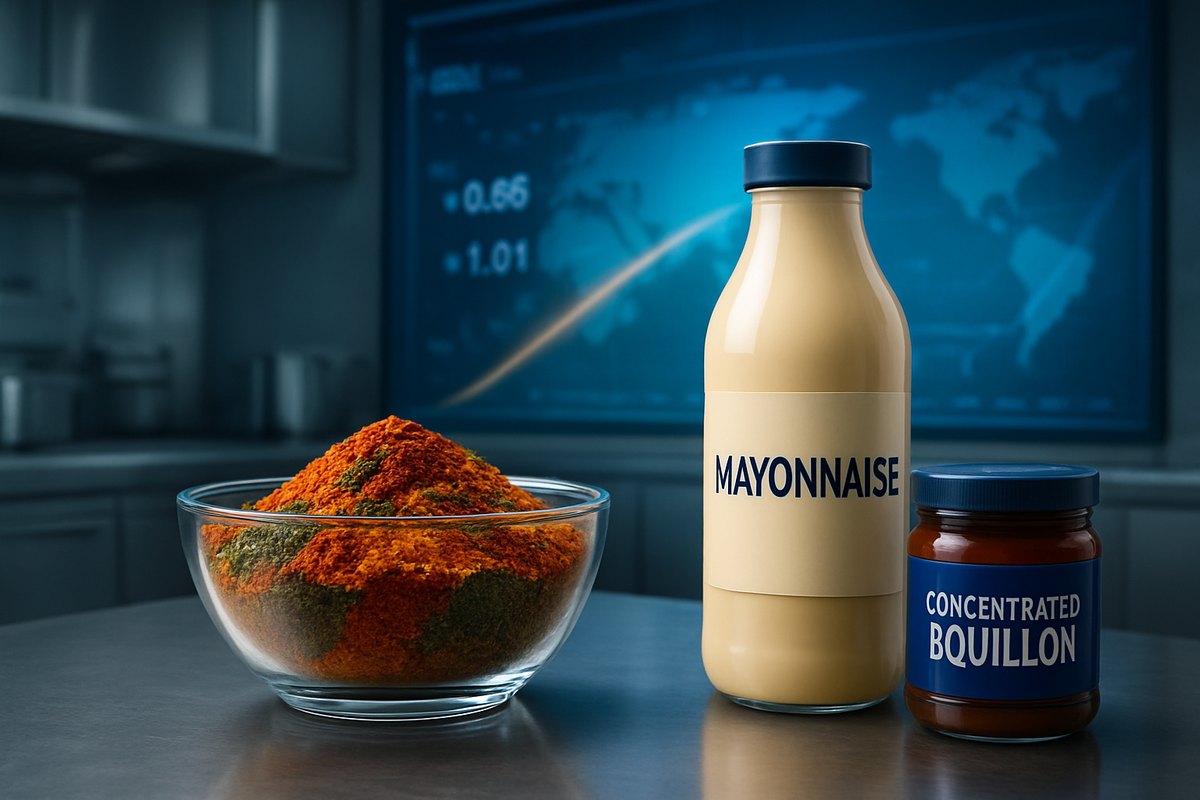
The spice of life has just become a multi-billion dollar business strategy. In a move that has sent shockwaves through the global consumer staples sector, McCormick & Company (NYSE: MKC) and Unilever (NYSE: UL) have announced a definitive agreement to merge Unilever’s global food business with McCormick in a massive $44.8 billion transaction. Announced in the final days of March 2026, the deal represents a transformative leap for McCormick, effectively doubling its footprint and creating what analysts are already calling a "Global Seasoning Giant."
The immediate implications of the merger are profound, as the combined entity will command a portfolio that includes world-renowned brands like Hellmann’s, Knorr, French’s, and Frank’s RedHot. By integrating these heavyweights under one roof, McCormick moves from being a specialized spice provider to a comprehensive powerhouse in the condiments and flavorings market. For the broader industry, this merger signals a major consolidation of pricing power at a time when global supply chains and inflationary pressures remain at the forefront of executive concerns.
A Tax-Efficient Masterstroke: Inside the Reverse Morris Trust
The transaction, structured as a Reverse Morris Trust to maximize tax efficiency, involves a complex series of financial maneuvers. Under the terms of the deal, Unilever will first spin off its global foods business into a standalone entity, which will then immediately merge with a subsidiary of McCormick. This structure allows Unilever to divest the asset in a tax-free manner for its shareholders. To seal the deal, McCormick will pay $15.7 billion in cash to Unilever and issue new shares, resulting in McCormick’s existing shareholders owning 45% of the new combined entity, while Unilever’s shareholders and the parent company will hold the remaining 55% majority.
This announcement follows a decade of strategic positioning for both firms. McCormick has been on an aggressive acquisition trail, having previously absorbed brands like Cholula and Reckitt Benckiser’s food division. Meanwhile, Unilever has been under pressure from activist investors to simplify its sprawling portfolio. After spinning off its ice cream division in 2025, the divestiture of its legacy food business—specifically excluding its operations in India and its Lifestyle Nutrition assets—marks the final step in Unilever's pivot toward high-growth beauty, personal care, and home care segments. The new entity will continue to be led by McCormick’s CEO Brendan Foley and will remain headquartered in Hunt Valley, Maryland.
Winners and Losers: A Shift in Market Power
The clear winner in this transaction appears to be McCormick & Company (NYSE: MKC), which secures the "holy grail" of the grocery aisle: Hellmann’s and Knorr. These brands provide McCormick with a presence in nearly every household in the West and a massive growth engine in emerging markets. Unilever (NYSE: UL) also emerges as a strategic winner; by shedding the slower-growing food segment, the company can reallocate capital to its high-margin prestige beauty brands and home care innovations, while the $15.7 billion cash infusion provides a significant buffer for debt reduction and share buybacks.
However, the merger creates significant headwinds for competitors like The Kraft Heinz Company (NASDAQ: KHC) and Nestlé S.A. (OTC: NSRGY). Kraft Heinz, which competes directly with Hellmann’s in the mayonnaise and dressings category, now faces a rival with unprecedented scale and a more diverse flavor portfolio. Smaller spice and condiment players may also find themselves squeezed out of premium shelf space as the McCormick-Unilever behemoth leverages its newfound bargaining power with global retailers. Retailers themselves may lose leverage, as the combined company's portfolio becomes "must-have" inventory for any grocery store.
The Broader Landscape: Consolidation in a Volatile World
This $44.8 billion merger fits into a broader industry trend of "pure-play" specialization. In the 2010s and early 2020s, conglomerates were rewarded for diversity; however, the market of 2026 rewards focus. By separating food from personal care, both McCormick and Unilever are betting that specialized management teams can extract more value from their respective categories. This mirrors similar historical precedents, such as the split of DowDuPont or the various spinoffs seen in the pharmaceutical sector, where specialized entities often outperform their conglomerate predecessors.
The deal is likely to face intense scrutiny from the Federal Trade Commission (FTC) in the United States and the European Commission. Regulators will be looking closely at market share in specific sub-categories like dry seasonings and salad dressings. However, the companies have already indicated a willingness to divest certain overlapping brands to satisfy antitrust concerns. Beyond regulation, the ripple effects will be felt in the supply chain, as the combined entity's massive procurement needs for ingredients like vegetable oils, salt, and spices will likely dictate global pricing trends for years to come.
The Road to 2027: Integration and Innovation
Looking ahead, the road to the targeted mid-2027 closing is paved with both opportunity and risk. In the short term, McCormick must manage the significant debt load incurred by the $15.7 billion cash payment. The company has secured a bridge facility from a syndicate of major banks, but the pressure to deliver on the promised $600 million in annual cost synergies will be immense. Investors will be watching closely to see if the integration of Unilever’s food culture—which is deeply rooted in European consumer habits—can be seamlessly blended with McCormick’s American-centric corporate structure.
In the long term, the combined company plans to reinvest $100 million of its realized savings into R&D and brand marketing. The focus will likely be on "clean label" products and digital-first marketing to capture younger demographics who are increasingly cooking at home. Strategic pivots may include an expansion into the "food-as-medicine" space, leveraging Knorr’s nutritional profile and McCormick’s expertise in natural herbs. The ultimate success of the merger will depend on whether this giant can remain agile enough to respond to rapidly changing consumer tastes while maintaining the scale required to dominate the global pantry.
Wrapping Up: A New Era for the Grocery aisle
The McCormick-Unilever merger is more than just a financial transaction; it is a redefinition of the consumer staples landscape. By combining the world’s leading spice manufacturer with some of the most iconic food brands in history, the companies have created a "Global Seasoning Giant" that is uniquely positioned to weather economic volatility and capitalize on the global demand for flavor. For Unilever, it marks the end of a century-long chapter in the food business, while for McCormick, it is a bold bet on the future of the global kitchen.
As we move through 2026, investors should keep a sharp eye on regulatory filings and any news regarding potential brand divestitures. The market’s reaction will likely remain cautiously optimistic until the specifics of the synergy realization plan are more clearly articulated. While the $44.8 billion price tag is steep, the strategic logic of uniting the world's most popular seasonings and condiments is hard to ignore. The flavor of the global market has changed, and McCormick is now the one holding the recipe.
This content is intended for informational purposes only and is not financial advice.