The $3,500 Threshold: Aluminum Prices Peak as Energy Crisis Forces Historic Mozal Shutdown
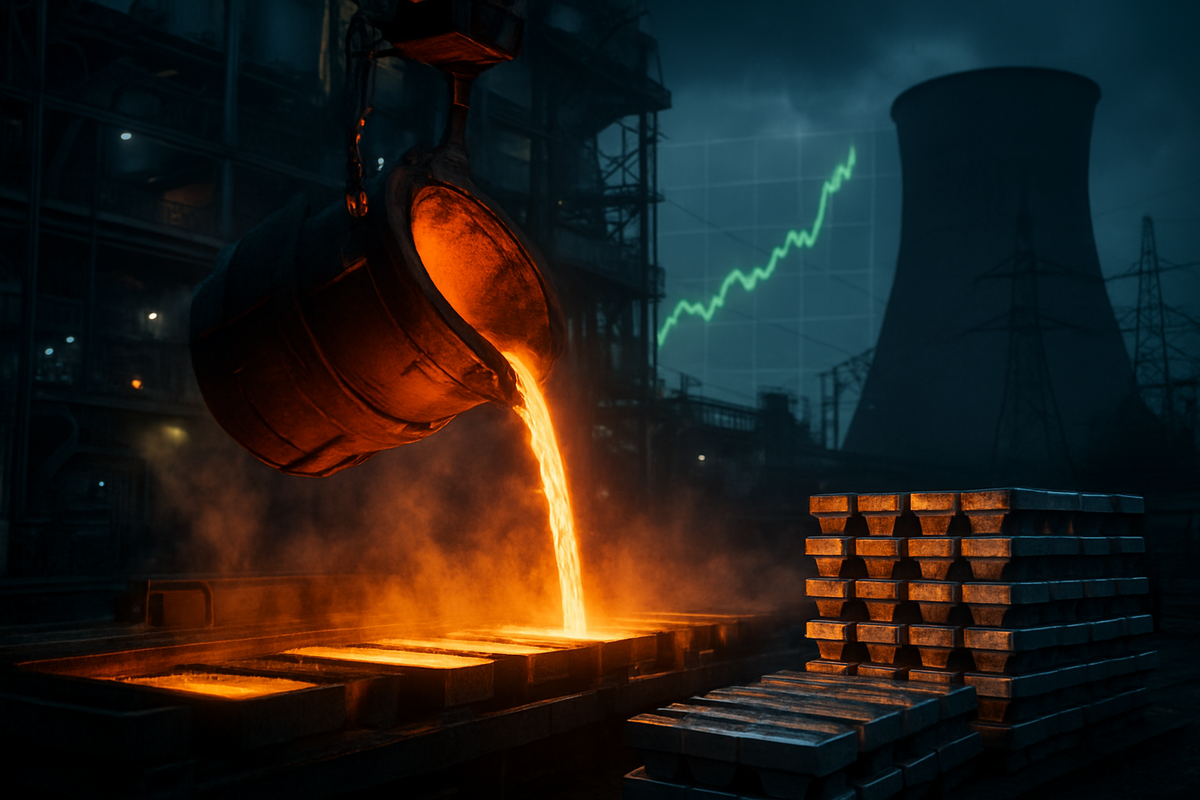
The global industrial landscape reached a critical inflection point this month as aluminum prices shattered long-standing records, peaking at a staggering $3,516 per metric ton on the London Metal Exchange. This historic surge, driven by a volatile mix of geopolitical instability in the Middle East and a deepening global energy crunch, has sent shockwaves through the manufacturing sector. For an industry that relies on aluminum for everything from electric vehicle frames to renewable energy infrastructure, the "congealed electricity" metal has become a symbol of the broader inflationary pressures gripping the 2026 global economy.
The immediate casualty of this pricing volatility has been the Mozal aluminum smelter in Mozambique, one of Africa’s largest industrial assets. Citing the inability to secure a viable power agreement in the face of skyrocketing energy costs and regional electricity shortages, the plant’s operator has officially moved the facility into "care and maintenance." The halt at Mozal marks a significant reduction in global supply at a time when stockpiles are already at decade-lows, further fueling a market frenzy that shows little sign of cooling.
The Perfect Storm: A Timeline of the March Metal Crisis
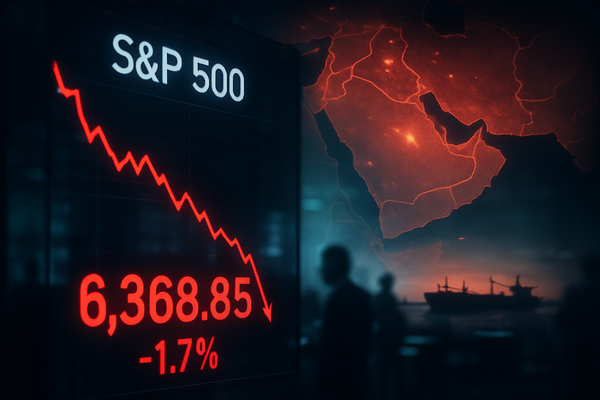
The road to $3,500 aluminum was paved by a series of escalating supply-side shocks that began in late 2025. While prices hovered near $3,000 at the turn of the year, the stability was fragile. The primary catalyst for the March 12 peak was a sudden escalation of military conflict in the Middle East, which directly impacted major production hubs. Strikes on industrial infrastructure in the United Arab Emirates—home to Emirates Global Aluminium—and Bahrain, coupled with the strategic blockage of the Strait of Hormuz, effectively threatened nearly 9% of the world’s primary aluminum supply overnight.
The situation reached a breaking point on March 15, 2026, when South32 (ASX: S32) announced the suspension of production at the Mozal plant. The facility, which requires approximately 950 MW of constant power to operate, became economically unviable following the expiration of its long-term electricity contract with the South African utility Eskom and the Cahora Bassa hydroelectric plant. After years of failed negotiations for a sustainable tariff, the sudden shift to market-linked power rates made continued smelting impossible. This shutdown removed a significant source of high-quality metal from the Atlantic basin, sending regional premiums in Europe and the U.S. Midwest to all-time highs.
Market reaction was instantaneous. Traders, already wary of Beijing’s strict 45-million-ton annual capacity cap on Chinese production, realized there was no "safety valve" left to absorb the supply deficit. By mid-March, the U.S. Midwest Premium—the extra cost paid to secure physical metal—surpassed $1.00 per pound for the first time in history. Industrial buyers, from aerospace giants to soda can manufacturers, found themselves in a desperate scramble for remaining inventories, further inflating the LME benchmark price.
Strategic Divergence: Winners and Losers in the High-Cost Era
The current crisis has created a stark divide between aluminum producers based on their energy sourcing and geographic footprint. The primary "losers" in this environment are those with exposure to spot energy markets or aging grid infrastructure. South32 (ASX: S32) faces a dual challenge; while it remains a diversified miner, the shuttering of Mozal and the ongoing energy pressure on its Hillside smelter in South Africa represent a significant blow to its aluminum earnings. Similarly, Century Aluminum (NASDAQ: CENX) has struggled to maintain profitability at its U.S. domestic plants, where the cost of power has been driven upward by intense competition from new AI data centers.
On the other side of the ledger, Rio Tinto (NYSE: RIO) and Alcoa (NYSE: AA) have emerged as the relative "winners" of this price spike. Both companies have spent the last five years aggressively pivoting their portfolios toward "green" aluminum, powered by low-cost, captive hydroelectric assets in Canada and Norway. Rio Tinto, in particular, is reportedly considering the restart of idled capacity at its Tiwai Point smelter in New Zealand to capitalize on the $3,500/ton environment. Because their energy costs are largely decoupled from the natural gas and coal volatility affecting the rest of the world, these companies are seeing record-breaking margins on every ton produced.
Norsk Hydro (OTC: NHYDY) also finds itself in a favorable position due to its high degree of energy self-sufficiency and its focus on the secondary aluminum market. As primary smelting becomes prohibitively expensive, the value of recycled aluminum has skyrocketed. Companies that can process scrap into high-grade alloys are seeing unprecedented demand from automotive manufacturers looking to lower their carbon footprints while avoiding the extreme costs of the primary metal market.
Green-flation and the Competition for Power
The current aluminum crisis is not merely a temporary supply glitch; it is a manifestation of the "Green-flation" trend that has defined the mid-2020s. Aluminum is a core component of the energy transition, required for solar panels, wind turbines, and the lightweighting of electric vehicles. However, the production of this "green" metal is itself a massive consumer of energy. As global power grids struggle to keep up with the demands of decarbonization, industrial metals are increasingly competing for electricity with other high-growth sectors.
A significant and unexpected factor in the 2026 price surge has been the competition between smelters and AI data centers for renewable energy. Tech giants like Google and Amazon have begun outbidding industrial players for long-term "clean" power contracts to fuel their massive AI infrastructure. In several jurisdictions, data centers are willing to pay upwards of $115 per megawatt-hour—a price point that makes aluminum smelting, which typically requires power at $40 per megawatt-hour to be competitive, completely untenable. This structural shift in the energy market suggests that the "energy-intensive" manufacturing model of the past is facing a permanent transformation.
Furthermore, the policy implications are beginning to ripple through global trade. The European Union’s Carbon Border Adjustment Mechanism (CBAM) is now in full effect, adding an extra layer of cost to aluminum imported from high-carbon grids like China or India. This has effectively created a two-tier market: expensive but available high-carbon aluminum, and even more expensive, highly-coveted "green" aluminum from hydro-powered sources. Regulatory pressure to decarbonize is now a direct driver of the $3,500 price point, as "clean" supply fails to meet "clean" demand.
The Road Ahead: Substitution and Recycling
In the short term, the market must brace for continued volatility. With Mozal offline and Middle Eastern supplies uncertain, the physical deficit of aluminum is expected to persist through the third quarter of 2026. This will likely force a strategic pivot among end-users. We are already seeing evidence of "material substitution," where manufacturers are looking to replace aluminum with reinforced plastics or, in some cases, reverting to stainless steel where weight is less of a concern. However, for the aerospace and EV sectors, there are few viable alternatives, meaning these costs will eventually be passed down to consumers.
In the long term, the $3,500 peak may serve as the ultimate catalyst for the "circular economy" in metals. The massive price gap between primary and secondary aluminum is incentivizing a wave of investment in sophisticated sorting and recycling technologies. We can expect to see companies like Alcoa (NYSE: AA) and Rio Tinto (NYSE: RIO) accelerate their acquisitions of recycling firms to secure their own "urban mines." The era of relying on massive, energy-hungry smelters in remote locations may be drawing to a close, replaced by a more decentralized model of regional recycling hubs.
Strategic adaptations will also be required from governments. The closure of Mozal has highlighted the vulnerability of national economies to energy-intensive industry shocks. Governments in South Africa and Mozambique may be forced to reconsider their energy export policies or provide direct subsidies to preserve industrial jobs. For the market, the narrative for the remainder of 2026 will be defined by how quickly idled capacity in "safe" jurisdictions can be brought back online to stabilize the global supply chain.
Conclusion: A New Era for Industrial Commodities
The surge of aluminum to $3,500 per ton is a watershed moment for the commodities market, signaling that the era of cheap, reliable industrial inputs is over. The closure of the Mozal plant serves as a grim reminder that even the most established industrial operations are not immune to the shifting realities of the global energy landscape. For investors, the takeaway is clear: the most valuable players in the metals space are no longer those with the largest mines, but those with the most secure and sustainable energy supplies.
Moving forward, the market will be characterized by extreme regional price differences and a growing premium for "green" metal. Investors should keep a close watch on the U.S. Midwest and European premiums, as well as any signs of de-escalation in the Middle East that could release trapped supplies. However, with the structural deficit unchanged and energy competition from the tech sector intensifying, $3,500 may not be a temporary peak, but rather the new floor for a metal that has become indispensable to the modern world.
The coming months will test the resilience of the global manufacturing sector. Whether through substitution, increased recycling, or a rapid build-out of new renewable energy, the industry must find a way to adapt to a world where "congealed electricity" is no longer a commodity, but a strategic luxury.
This content is intended for informational purposes only and is not financial advice.