Silver Shines Brighter: SLV Soars as Silver Continues to Outperform Gold.
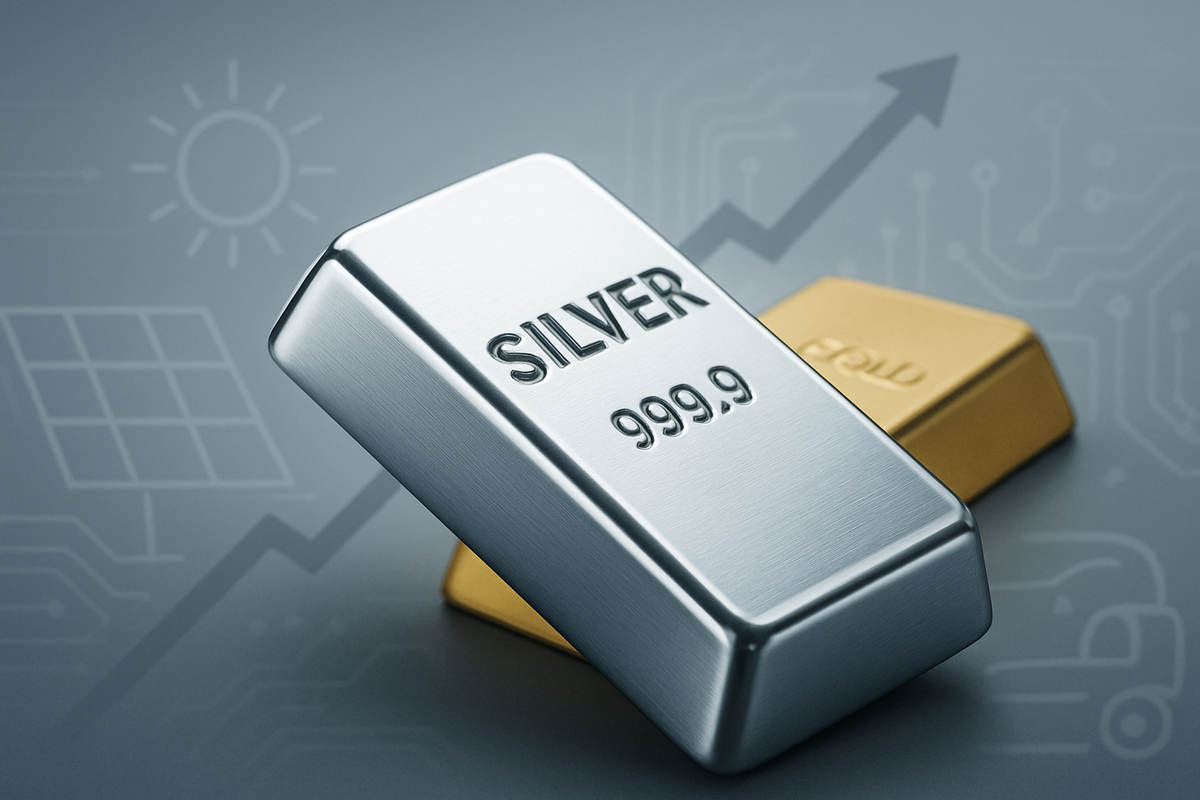
The financial markets are witnessing a remarkable shift in the precious metals landscape, with silver decisively outperforming its golden counterpart. This resurgence, particularly highlighted by the impressive surge in the iShares Silver Trust (NYSE: SLV), signals a potent combination of burgeoning industrial demand, persistent supply deficits, and renewed investor interest. As of November 28, 2025, silver's rally is not merely a fleeting trend but a significant re-evaluation of its intrinsic value and strategic importance in the global economy.
This sustained outperformance by silver is reshaping expectations for both investors and industries reliant on the metal. While gold continues to hold its traditional appeal as a safe-haven asset, silver's dual role as an industrial metal and a store of value is now firmly in the spotlight, driving its price to multi-year highs and attracting substantial capital inflows into silver-backed exchange-traded funds like SLV. The current trajectory suggests a fundamental recalibration of the gold-to-silver ratio, potentially indicating further upside for silver.
The White Metal's Unprecedented Ascent and Its Driving Forces
Silver's journey to prominence in 2025 has been nothing short of spectacular. Year-to-date, silver has significantly outpaced gold, with spot silver prices skyrocketing over 85% from under $30 an ounce to above $54 by October. As of November 28, 2025, silver bullion broke above $55 per ounce in London, hitting a peak of $55.30 and trading at $55.72 USD/t.oz, marking an 82.04% increase compared to the same time last year. This surge represents a 13-year high for the metal, with its all-time high recorded at US$54.47 on October 17, 2025, and pushing further to $55.72 on the current date. In contrast, while gold has also performed strongly, rising to $4,211.82 USD/t.oz and seeing a 58.47% increase year-over-year, its gains have been comparatively modest.
Several unique factors are contributing to silver's exceptional strength relative to gold. Foremost among these is the unprecedented boom in industrial demand. Silver is a critical component in the rapidly expanding green energy sector, particularly in solar panels, which alone consumed 244 million ounces in 2024. Its indispensable role in electric vehicles (EVs), 5G technology, and various electronics continues to fuel robust demand, with overall industrial demand jumping to 689.1 million ounces in 2024. This surge in consumption is colliding with a structural supply deficit; unlike gold, approximately 70-75% of silver is a byproduct of mining other metals, making its supply less responsive to direct price signals. This has led to an anticipated second-biggest supply deficit ever in 2024, with London stockpiles remaining thin due to heavy withdrawals and rising ETF holdings.
Adding further impetus to silver's appeal are geopolitical factors and evolving monetary policy expectations. Global economic uncertainties and ongoing geopolitical tensions have bolstered silver's traditional safe-haven status, drawing in investors alongside gold. Furthermore, the anticipation of lower U.S. interest rates makes non-yielding assets like silver more attractive as the opportunity cost of holding them diminishes. A significant development in August 2025 was the official designation of silver as a critical mineral by the U.S. government, underscoring its strategic importance and potentially paving the way for further policy support and investment.
The iShares Silver Trust (NYSE: SLV) has been a direct beneficiary and a clear indicator of this bullish sentiment. SLV's year-to-date performance in 2025 has been remarkably strong, with reported returns of 88.8% and 68.7% (Net Asset Value - NAV). On November 28, 2025, SLV was trading higher, up 5.92% at $51.27, reaching a new 52-week high. The ETF has experienced significant inflows, reflecting growing investor interest, with notable allocations from entities like the Saudi Central Bank. SLV is trading significantly above its calculated support level of $44.94, reinforcing the robust demand and bullish trend for silver.
Winners and Losers in the Silver Surge
The sustained rally in silver prices creates distinct opportunities and challenges across various sectors. Silver mining companies are undoubtedly among the primary beneficiaries. Companies with significant silver exposure, such as Pan American Silver Corp. (NASDAQ: PAAS), First Majestic Silver Corp. (NYSE: AG), and Hecla Mining Company (NYSE: HL), are poised for substantial revenue and profit growth. Higher realized silver prices directly translate to improved margins and increased cash flow, potentially leading to expanded exploration budgets, debt reduction, or enhanced shareholder returns. These companies may also see their stock valuations climb as investors seek direct exposure to the rising commodity.
Conversely, companies that primarily rely on silver as an input material, particularly those in manufacturing, could face increased production costs. While the broader trend towards decarbonization benefits industries like solar and EVs, the rising cost of silver could pressure margins for solar panel manufacturers like First Solar, Inc. (NASDAQ: FSLR) or EV manufacturers such as Tesla, Inc. (NASDAQ: TSLA) and General Motors Company (NYSE: GM), unless they can effectively pass these costs onto consumers or innovate to reduce silver content. However, given the strong demand for their end products, the impact might be mitigated by pricing power or long-term supply agreements.
Furthermore, the surge in silver prices naturally boosts the performance of silver-backed ETFs like the iShares Silver Trust (NYSE: SLV) and the Aberdeen Standard Physical Silver Shares ETF (NYSE: SIVR). These financial instruments offer investors a liquid way to gain exposure to silver, and their strong performance reflects and reinforces the underlying bullish sentiment for the metal. Financial institutions and hedge funds with significant long positions in silver futures or options will also see considerable gains, while those with short positions or unhedged industrial users could face losses.
Wider Significance and Market Implications
Silver's outperformance fits squarely into broader industry trends centered on decarbonization and electrification. Its critical role in solar energy, electric vehicles, and 5G infrastructure positions it as a foundational metal for the global transition to a green economy. This structural demand component differentiates silver from gold, which primarily serves as a monetary asset and a safe haven. The sustained demand from these burgeoning sectors suggests that silver's industrial value proposition will continue to strengthen, underpinning its price even amidst fluctuations in investor sentiment.
The ripple effects of rising silver prices extend across global supply chains. Manufacturers of electronic components, medical devices, and other high-tech goods will need to adapt to higher input costs. This could spur innovation in material science, leading to more efficient use of silver or the development of substitutes, although silver's unique properties often make substitution challenging. On the mining front, higher prices could incentivize increased exploration and production, potentially bringing marginal projects online and alleviating some of the long-term supply deficit, albeit with a significant time lag.
The U.S. government's designation of silver as a critical mineral in August 2025 carries significant policy implications. This classification could lead to government support for domestic silver mining, processing, and recycling initiatives, aimed at securing a reliable supply chain for strategic industries. It might also influence trade policies, tariffs, and research funding, further embedding silver's importance in national economic and security strategies. Historically, similar designations for other minerals have often resulted in increased investment and strategic stockpiling, potentially bolstering demand even further.
Looking back, historical precedents for silver rallies often coincide with periods of high inflation, economic uncertainty, or significant industrial expansion. The current environment, characterized by persistent inflation concerns, ongoing geopolitical tensions, and an aggressive push towards renewable energy, mirrors conditions that have historically favored silver. While the volatility of silver is well-known, its current drivers suggest a more fundamental and sustainable rally compared to speculative bubbles of the past. The elevated gold-to-silver ratio, currently around 80-83:1 (above the historical average of 50-75:1), further suggests that silver may still be undervalued relative to gold, indicating potential for continued outperformance as the ratio reverts to its mean.
What Comes Next: Navigating the Silver Landscape
In the short term, the momentum behind silver appears robust. Continued strong industrial demand, particularly from the solar and EV sectors, combined with persistent supply constraints, is likely to keep prices elevated. Investor sentiment, buoyed by SLV's strong performance and silver's critical mineral designation, could drive further inflows into the metal. Traders will be closely watching for any shifts in global manufacturing output, new supply discoveries, or changes in central bank monetary policies, especially regarding interest rates, as these factors could influence near-term price movements.
Longer term, the trajectory of silver will largely depend on the sustained growth of green technologies and the ability of the mining industry to address the supply deficit. Strategic pivots for mining companies might include prioritizing silver-rich deposits, investing in advanced extraction technologies, and exploring recycling initiatives to recover silver from electronic waste. Industrial users may focus on optimizing silver usage in their products or exploring alternative materials, though the latter remains challenging due to silver's unique conductivity and reflective properties.
Market opportunities could emerge for companies specializing in silver recycling and refining, as the emphasis on circular economy principles grows. Investors might also look beyond physical silver and ETFs to explore equities of well-managed silver mining companies with strong balance sheets and growth prospects. Challenges include the inherent volatility of commodity markets, potential for profit-taking after significant rallies, and the risk of a global economic slowdown impacting industrial demand.
Potential scenarios range from a continued bullish run, pushing silver prices even higher as the supply-demand imbalance intensifies, to a consolidation phase where prices stabilize at elevated levels. A less likely scenario, but still possible, is a correction if industrial demand softens unexpectedly or if significant new supply comes online. However, given the current structural drivers, the probability favors continued strength in silver for the foreseeable future, making it a compelling asset to watch.
Comprehensive Wrap-Up: Silver's Enduring Significance
The narrative of silver's resurgence is a compelling testament to its evolving role in the global economy. The key takeaway is clear: silver is no longer merely gold's lesser counterpart but a critical industrial metal with burgeoning demand from the green energy revolution, coupled with its traditional safe-haven appeal. The dramatic outperformance against gold, reflected in SLV's soaring valuation and silver's multi-year highs, underscores a fundamental shift in market perception and underlying fundamentals.
Moving forward, the market for silver is likely to remain dynamic and influenced by a complex interplay of industrial consumption, investment demand, and macroeconomic factors. The persistent supply deficit, coupled with its critical mineral designation, provides a strong foundation for continued price appreciation. Investors should assess silver not just as a precious metal, but as a strategic commodity essential for the future of technology and sustainable development.
Final thoughts on its lasting impact suggest that silver's newfound prominence could lead to increased capital allocation towards its extraction and processing, potentially reshaping mining landscapes and fostering innovation in material science. Its critical role in decarbonization ensures its relevance for decades to come. Investors in the coming months should closely watch for updates on industrial demand figures, particularly from the solar and EV sectors, any new developments in mining supply, and shifts in global monetary policy. The gold-to-silver ratio will also serve as a crucial indicator, with a continued narrowing suggesting further strength for the white metal.
This content is intended for informational purposes only and is not financial advice.